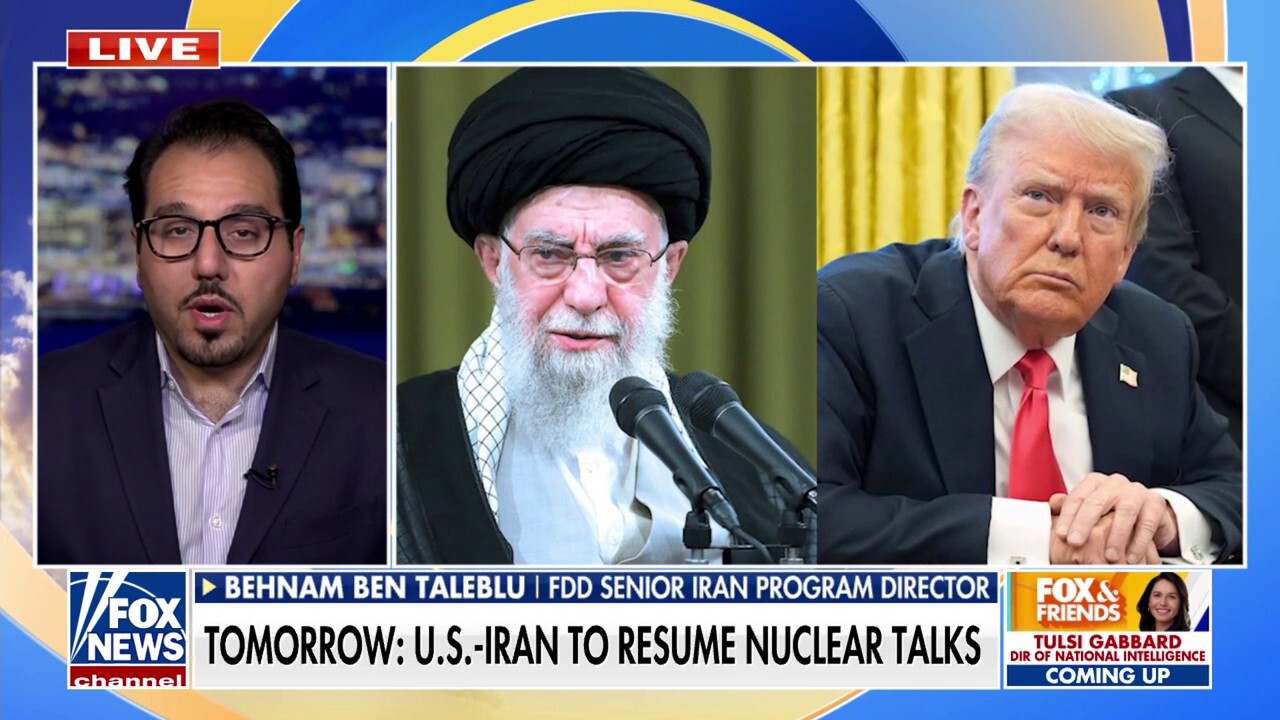
Iran is moving fast—engaging regional powers, reaching out to European allies, and试探ing backchannels to de-escalate tensions. At the same time, Donald Trump, ever the transactional strategist, insists the U.S. holds all the cards. This collision of tactics—one side seeking dialogue, the other projecting dominance—defines the current phase of U.S.-Iran relations.
The contrast isn’t accidental. Iran’s flurry of diplomatic activity is a direct response to sustained U.S. pressure: sanctions, military posturing, and the 2018 withdrawal from the JCPOA (Joint Comprehensive Plan of Action). With its economy under strain and regional influence challenged, Tehran is recalibrating. But Trump’s repeated claim that “the U.S. has the cards” reveals a belief in unilateral leverage—a belief that may be both its strength and its flaw.
This article dissects the dynamics behind Iran’s diplomatic offensive, analyzes Trump’s strategy of maximum pressure, and evaluates whether dialogue can emerge from such asymmetric posturing.
Why Iran Is Suddenly Courting Diplomacy
Iran’s recent outreach isn’t a sign of weakness—it’s a calculated adaptation.
Facing record inflation, oil export restrictions, and isolation from global financial systems, Tehran can no longer afford total confrontation. But rather than surrender, it’s adopting a multifront diplomatic strategy:
- Re-engaging with Gulf states like Oman and Kuwait to mediate with the West
- Strengthening ties with China and Russia as economic and political counterweights
- Using Iraq and Syria as indirect channels to communicate with the U.S.
- Pushing European powers to salvage remnants of the nuclear deal
In early 2024, Iranian officials held surprise meetings in Muscat and Baghdad. These weren’t public summits but quiet negotiations—proof that Iran is prioritizing backroom diplomacy over grand rhetoric. One European diplomat noted: “They’re not asking for concessions. They’re asking for a starting point.”
The goal? Create enough diplomatic momentum to force Washington into negotiations from a position less dominated by sanctions.
The Economic Pressure Behind the Shift
Sanctions have hit hard. Iran’s oil exports, once over 2.5 million barrels per day, dropped below 300,000 at their lowest. The rial has lost over 80% of its pre-2018 value. Ordinary Iranians face daily struggles with inflation and shortages.
But the regime isn’t collapsing. Instead, it’s leveraging its regional network—Hezbollah, Shia militias in Iraq, the Houthis in Yemen—to maintain influence despite financial strain. This hybrid model—economic retreat paired with strategic assertiveness—allows Iran to stay relevant while opening diplomatic doors.
Trump’s “We Have the Cards” Doctrine
Donald Trump doesn’t believe in even playing fields. His foreign policy, especially toward Iran, relies on the idea that overwhelming pressure forces adversaries to capitulate.
When he says the U.S. “has the cards,” he means:

- Sanctions as a weapon: Secondary sanctions have deterred many countries from dealing with Iran.
- Military dominance: The U.S. maintains a strong presence in the Persian Gulf and周边 bases.
- Alliance leverage: Close ties with Israel, Saudi Arabia, and the UAE isolate Iran regionally.
- Negotiation from strength: Trump believes deals only work when one side has nothing to lose.
This approach scored a symbolic win in 2020 with the killing of Qasem Soleimani. But it hasn’t yielded a new nuclear agreement or long-term stability. In fact, it’s arguably pushed Iran closer to threshold nuclear capability.
The Limits of “Having the Cards”
Owning the deck doesn’t mean you control the game.
Trump’s strategy assumes Iran will eventually break. But authoritarian regimes often endure economic pain longer than expected—especially when survival is at stake. Meanwhile, U.S. allies are frustrated. European signatories to the JCPOA still view the Iran nuclear deal as the best available tool. Their continued engagement with Tehran undermines the idea of total U.S. dominance.
Moreover, maximum pressure has unintended consequences:
- Increased regional aggression: Iran has responded to sanctions with attacks on shipping, drone strikes, and support for proxy forces.
- Reduced U.S. credibility: Withdrawing from the JCPOA made future agreements harder to trust.
- Empowerment of hardliners in Iran: Moderates who favor engagement lose ground when diplomacy seems futile.
When Trump insists the U.S. holds all the cards, he overlooks the fact that Iran still holds aces of its own—geographic position, energy reserves, and asymmetric warfare capabilities.
The Real Game: Who Controls the Negotiation Table?
Diplomacy isn’t just about who talks to whom—it’s about who sets the terms.
Right now, Iran is trying to reframe the conversation. Instead of being a rogue state begging for relief, it wants to be seen as a regional power willing to negotiate from strength. Its recent outreach to Saudi Arabia and Qatar, once fierce rivals, shows this shift.
Meanwhile, Trump’s team continues to demand “big deals”—not just on nuclear issues, but on ballistic missiles, regional activities, and long-term behavior change. But such sweeping demands make agreement nearly impossible.
A Case Study: The Oman Backchannel
In late 2023, Iranian and American officials met in Muscat—facilitated by Oman’s long-standing neutrality. The talks didn’t produce a breakthrough, but they did reveal something critical: both sides still have lines of communication.
What made Oman effective?
- No public posturing: Meetings were off the record.
- Mutual respect: Oman is trusted by both Washington and Tehran.
- Focus on narrow goals: Initial talks centered on prisoner swaps and de-escalation.
This quiet diplomacy stands in stark contrast to Trump’s preference for public declarations and dramatic summits. Yet history shows that sustainable deals often begin in silence, not headlines.
Regional Powers Play Both Sides
The Middle East isn’t a binary U.S. vs. Iran battleground. Most countries are hedging.
| Country | Relationship with U.S. | Engagement with Iran |
|---|---|---|
| Saudi Arabia | Close ally, arms buyer | Held direct talks with Iran in 2023 |
| UAE | Strategic partner | Reopened embassy in Tehran |
| Iraq | U.S. security partner | Hosts Iranian-backed militias |
| Israel | Strong alliance | Advocates for harder line on Iran |

Even U.S. allies are normalizing ties with Iran. Why? Because prolonged conflict hurts everyone. Gulf economies depend on stable shipping lanes. Regional business leaders want access to Iran’s 85 million consumers.
This multi-alignment strategy weakens Trump’s claim of total control. If U.S. partners are talking to Iran, the U.S. doesn’t hold all the cards—it shares the deck.
Can Diplomacy Survive the Rhetoric?
Tehran’s diplomatic flurry isn’t a surrender. It’s a bid to break isolation and create space for negotiation.
But for diplomacy to succeed, both sides must accept a few realities:
- Sanctions alone won’t force regime change—they may harden resistance.
- Maximum pressure must be paired with off-ramps—otherwise, there’s no incentive to negotiate.
- Backchannel talks are more effective than public ultimatums—trust is built in private.
- Regional stability requires inclusive dialogue—excluding Iran from regional forums fuels resentment.
The current dynamic—Iran reaching out, Trump claiming dominance—might seem contradictory. But it’s actually a familiar pattern in high-stakes diplomacy: one side tests the waters, the other asserts control, until a pivot point emerges.
That pivot could be a prisoner release, a limited nuclear rollback, or a crisis (like a tanker seizure) that forces cooperation.
The Path Forward: From Posture to Progress So where does this leave us?
Iran’s diplomacy isn’t a sign of imminent compromise. It’s a long-term recalibration. The regime is preparing for multiple scenarios—including the possibility of a less confrontational U.S. administration.
Trump’s insistence that the U.S. “has the cards” serves domestic politics as much as foreign policy. It plays well to a base that values strength over negotiation. But real statecraft requires knowing when to play the hand you have—and when to reshuffle the deck.
For now, the most likely outcome isn’t a grand deal, but a series of small, managed engagements:
- Renewed indirect talks via European or Gulf intermediaries
- Incremental easing of sanctions in exchange for nuclear transparency
- De-escalation in proxy conflicts like Yemen
- Humanitarian exceptions for medicine and food trade
These steps won’t make headlines. But they could prevent war.
Final Take: Diplomacy in the Shadow of Dominance
Iran’s flurry of diplomacy isn’t desperation—it’s adaptation. And Trump’s claim of holding all the cards? More slogan than strategy.
True power isn’t just about leverage—it’s about knowing how to use it. The U.S. has significant advantages, but they’re not absolute. Iran has resilience, regional reach, and time on its side.
The smart play isn’t to insist you hold all the cards, but to recognize that even a strong hand requires a willing partner to win the game.
For policymakers, journalists, and citizens watching this tense dance: look beyond the rhetoric. Watch the quiet meetings, the backchannel signals, the economic shifts. That’s where real diplomacy happens—and where the next phase of U.S.-Iran relations will be decided.
Actionable Insight: Track unofficial diplomatic channels (Oman, Qatar, Switzerland) and incremental confidence-building measures—these often precede major shifts. Ignore the noise; focus on the moves behind the scenes.
FAQ
What should you look for in Iran’s Diplomatic Push Amid Trump’s Tough Stance on US Leverage? Focus on relevance, practical value, and how well the solution matches real user intent.
Is Iran’s Diplomatic Push Amid Trump’s Tough Stance on US Leverage suitable for beginners? That depends on the workflow, but a clear step-by-step approach usually makes it easier to start.
How do you compare options around Iran’s Diplomatic Push Amid Trump’s Tough Stance on US Leverage? Compare features, trust signals, limitations, pricing, and ease of implementation.
What mistakes should you avoid? Avoid generic choices, weak validation, and decisions based only on marketing claims.
What is the next best step? Shortlist the most relevant options, validate them quickly, and refine from real-world results.